
Inspection periods are short. If you wait until your offer is accepted to think about the inspection, you can lose days finding an inspector, deciding on add-ons and getting specialists out. Planning ahead lets you use every day of that window.
Line up your inspector early
Busy seasons fill calendars. Pick your inspector while you're still house-hunting, look at a sample report and know how long reports take. Mine are delivered within 24 hours, typically the same day, which leaves you more time to act on what's found.
Decide on add-ons based on the house
Look at the listing with the inspection in mind:
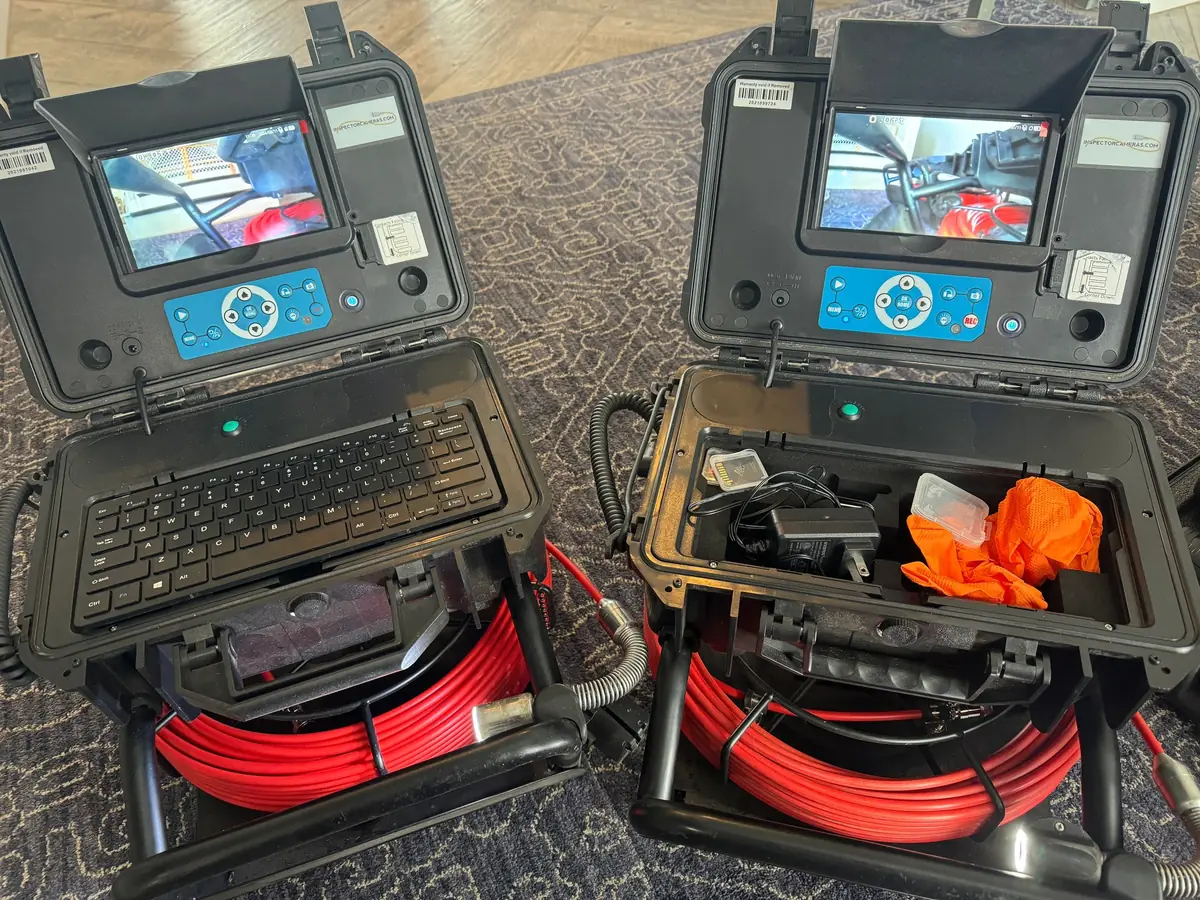
- Older home or big trees in the yard: plan on a sewer scope. Homes built before 1980 often have the original clay or cast iron line.
- Built after 2005: a sewer scope is still worth it. I see bellies and disconnected sections from installation in newer homes.
- Crawlspace hatch: make sure the crawlspace gets inspected, by a person or a camera crawler.
- Musty smell, past leaks or someone in the family with breathing trouble: consider mold and air quality testing.
The inspection packages bundle these for less than booking each one separately.
Read the disclosures before the inspection
Seller disclosures, past repair invoices and the listing photos tell your inspector where to look harder. If the disclosures mention a roof replacement, foundation repair or sewer work, ask for the paperwork and bring it up when you book.
Plan for specialists
Some findings call for an electrician, plumber, HVAC technician, roofer or structural engineer. That's normal. Ask your agent which specialists are available on short notice so you aren't scrambling in the last days of the inspection period.
Keep perspective when the report comes in
Thirty or more findings is normal, even on a well-kept or brand-new home. A long report doesn't mean a bad house. Start with safety issues and major systems, then the items likely to get worse if left alone. Maintenance items go on your list for later.
Ask for what matters
Rarely is it worth asking the seller to fix everything. Prioritize safety hazards and major defects. For big items, a closing credit often makes more sense than a seller repair, because you control who does the work and how well. If the seller does make repairs, ask for receipts and consider a re-inspection to confirm the work was done properly.
Out of town?
If you're buying in Clovis, Portales or Logan from somewhere else, the report and photos become your eyes. You're welcome to call me after you've reviewed the report so we can go through what I found.