
A roof can look fine from the driveway and still be one of the first big bills after you move in. "How old is the roof?" is a good first question, but the answer only means something next to the roof's actual condition.
Roofs here take a beating: hail, wind, strong sun and big temperature swings. Two roofs put on the same year can be in very different shape depending on the material, how they were installed and what storms they've been through.
Age is only part of the picture
A newer roof isn't automatically trouble-free. Installation, ventilation, drainage and storm history all matter. An older roof isn't automatically worn out if it was installed well and maintained. The useful question is whether the roof is doing its job today, whether anything needs attention now and whether you should budget for a replacement in the next few years.
Before you make an offer: ask for records
Start with the seller's disclosure and the listing, and ask for invoices or permits for roofing work. A dated invoice from a roofing contractor tells you much more than "the roof was replaced recently." Make sure you know whether the work was a full replacement, a repair, a coating or new shingles laid over old ones.
Ask focused questions:
- When was the roof put on, and by whom?
- Has it been repaired after a storm? Was there an insurance claim?
- Have there been leaks, and were they in the same spot more than once?
- Were all the roof sections done at the same time?
That last one matters more than people think. Additions, porches, garages and low-slope sections often have different materials, drainage and ages from the main roof.
During the inspection period: check the condition
The inspection is where the records meet the roof. I look at the roof covering, vents, flashing, skylights, chimney, gutters and downspouts. On shingle roofs I'm looking for curling, cracking, granule loss, lifted or missing tabs, exposed fasteners, patching, layered shingles and hail bruising that was never claimed. Flashing gets a close look, because chimneys, skylights, wall intersections and plumbing vents are where most leaks start.
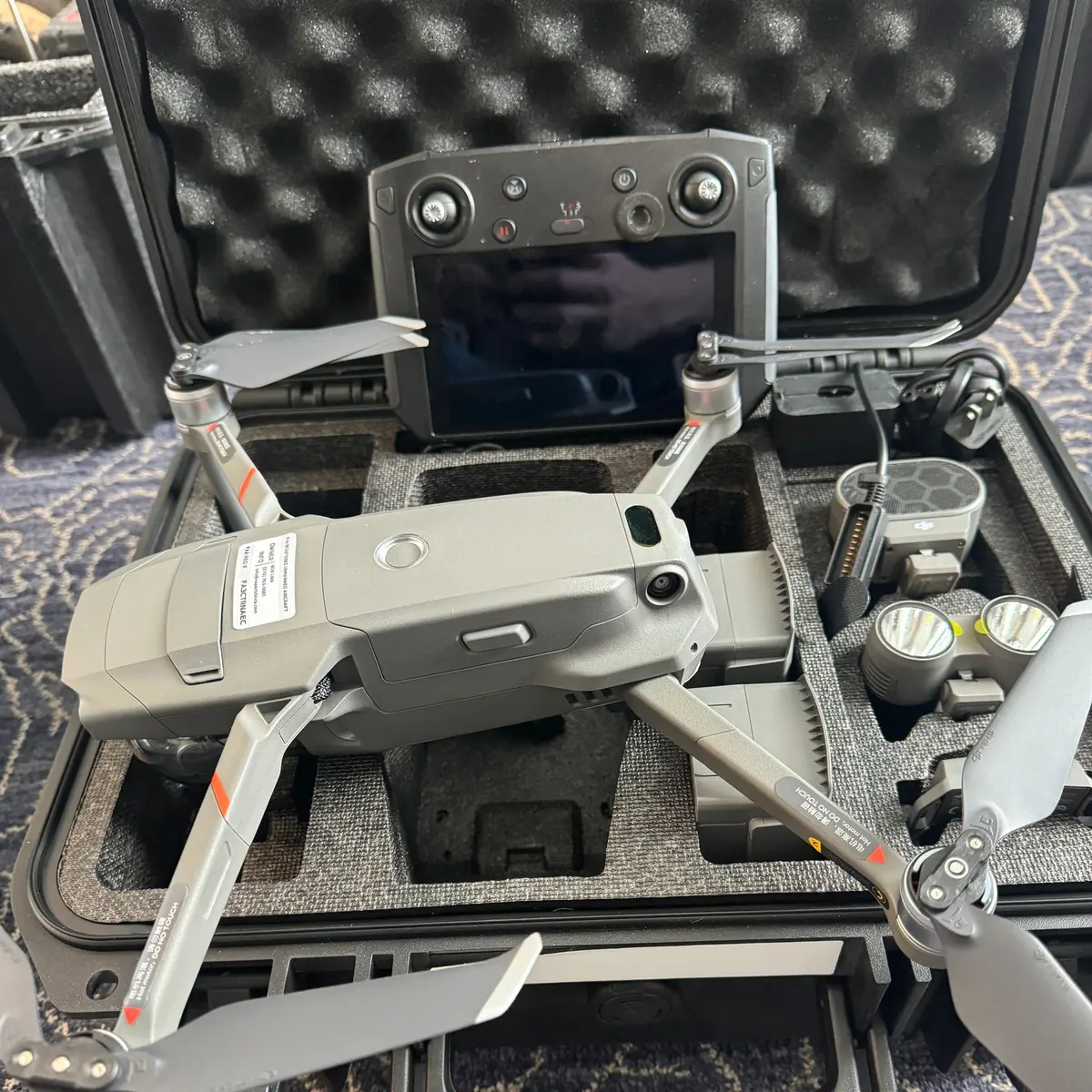
Not every roof can be walked safely. Steep, fragile or wet roofs get photographed with my drone instead, so the whole surface still gets inspected. Drone photos are included with every home inspection.
Flat and low-slope roofs are common here and aren't a problem in themselves, but they need more attention than pitched roofs. Ponding water, worn sealant and failed flashing are the usual weak points.
The attic shows what the roof can't
From inside an accessible attic I look for staining, damaged decking, daylight around penetrations, earlier repairs and ventilation. A stain doesn't always mean an active leak. It may be old, from a fixed leak or from condensation. Thermal imaging, which comes with every inspection, helps me tell whether an area is wet now, and I confirm with a moisture meter before it goes in the report.
Ventilation affects how fast a roof ages. Too much heat and moisture in the attic wear on roofing materials, and with our sun, that adds up.
Age isn't remaining life
Buyers often want to know how many years the roof has left. Nobody can tell you that from a visual inspection. What I can tell you is what I saw: normal wear, active problems, signs of past leaks and areas that need a closer look.
A roof with normal wear and no active problems is something to budget for over time. A roof with widespread wear, damaged flashing, signs of moisture or a lot of patching is worth having a roofing contractor look at before your inspection period ends. The same goes for a new roof with installation problems. A recent date doesn't make up for a bad install.
Using what you learn
If the report shows significant roof concerns, get an opinion from a qualified roofer, who can recommend the repair and price it. I don't estimate repair costs. With that in hand, you and your agent can decide whether to ask for a repair, ask for a credit or accept the roof as is. If you're buying from out of town, the photos in the report let you see the roof for yourself.
I don't review findings on site. Your report is delivered within 24 hours, typically the same day, and once you've read it you're welcome to call me with questions.
Every home inspection includes drone roof photos and thermal imaging. The Complete and Total Confidence packages add a sewer scope and more. I serve Clovis, Portales and Logan, and travel within 30 miles of Clovis is included.